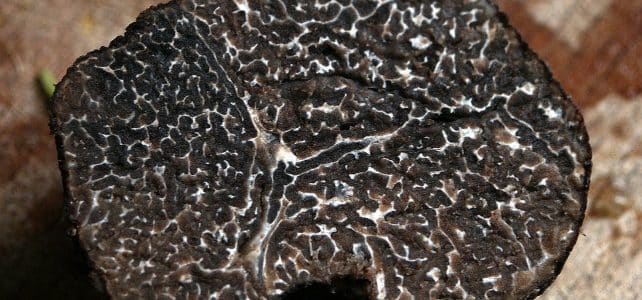
The truffle, this rare and precious underground mushroom, has fascinated gourmets and starred chefs for centuries. This jewel of gastronomy, often referred to as “black gold,” reigns with its enchanting aroma on the tables of the finest palates. The price of truffles can vary dramatically, raising many questions. What explains these cost variations? What factors influence the value of this culinary treasure?
The different varieties of truffles and their impact on prices
The world of truffles is rich and diverse, with several varieties distinguished by their taste, aroma, and of course, their price as you can see here: learn more. The diversity of these rare mushrooms plays a crucial role in the fluctuations of their value.
- The black truffle of Périgord (Tuber melanosporum) is often considered the queen of truffles. It is highly sought after for its intense flavor and complex aromas. Its price can reach staggering heights, ranging from 800 to 1500 euros per kilo.
- The white truffle of Alba (Tuber magnatum) is another prestigious variety, primarily harvested in Italy. Its rarity and unique fragrance justify a price that can range from 2000 to 5000 euros per kilo.
- The summer truffle (Tuber aestivum) is more accessible, with a milder and less pronounced flavor. Its price generally fluctuates between 200 and 500 euros per kilo.
- The Burgundy truffle (Tuber uncinatum) is another black truffle, more affordable, with a price around 400 to 800 euros per kilo.
The factors influencing the price of truffles
Several elements influence the market value of truffles, ranging from environmental conditions to harvesting methods.
- Climatic conditions: The truffle is extremely sensitive to climatic variations. Droughts, late frosts, or excessive rainfall can drastically reduce harvests, leading to price increases due to diminished supply.
- Seasonality: Truffles have specific harvesting periods. For example, the black truffle of Périgord is harvested from December to March. Outside of this period, prices can soar due to the rarity of fresh product.
- Harvesting method: Truffles are generally harvested with the help of trained dogs or truffle pigs. This artisanal and labor-intensive method partly justifies the high cost of truffles. The expertise of truffle growers, combined with the time required to train the search animals, is also a significant factor.
The markets and global demand
The price of truffles is also influenced by market dynamics and the growing demand on a global scale.
The demand for truffles continues to grow, particularly in countries like the United States, China, and Japan, where the appeal for French and Italian gourmet cuisine is booming. This increased demand drives prices up, as supply cannot always keep pace.
- Specialized fairs: Events such as the International Truffle Fair in Alba or the Truffle Market in Lalbenque are places where prices can reach record highs, thanks to competition among passionate buyers and restaurateurs.
- Auctions: Some particularly beautiful or rare truffles are sometimes sold at auction. These sales can attract bidders from around the world, ready to pay astronomical sums to acquire these underground treasures.
The impact of quality and size
The quality and size of truffles are crucial parameters in determining their price. A large, flawless truffle with a powerful and persistent aroma will always be more expensive than a smaller, less fragrant truffle.
Truffle growers and merchants classify truffles into different quality categories. A first-category truffle, called “extra,” is a perfectly formed, homogeneous truffle that is particularly fragrant. These truffles can reach very high prices, often reserved for the most prestigious tables. Second-category truffles, often smaller or slightly misshapen, are also of very good quality but at a slightly more affordable price.
The mystery surrounding the price of truffles reflects their rarity, complexity, and emblematic status in the world of gastronomy. Every detail, from the variety to the harvesting method, along with climatic conditions and global demand, contributes to the establishment of this exceptional value. For enthusiasts, understanding these nuances offers an even greater appreciation of this culinary treasure. For novices, it is an invitation to dive into a world where every bite is a discovery.