When it comes to building or buying a fire pit, the choice of material is a crucial decision that will influence not only the durability of your installation but also the quality of cooking and the aesthetic aspect of your outdoor space. Fire pit plates must be able to withstand high temperatures, corrosion, and the elements to provide optimal performance. Steel, in its various forms, is often the preferred material for these reasons. But which type of steel is best suited for a fire pit plate? Different varieties of steel have distinct properties that make them more or less suitable for this type of plate. In this article, we will examine the essential characteristics of the different types of steel to help you make an informed choice.
Commonly Used Types of Steel
There are several types of steel that can be used to manufacture a fire pit plate, each with its own advantages and disadvantages. Discover the most common ones to guide your choice.
- Stainless Steel: Well known for its corrosion resistance, stainless steel is often used for outdoor applications. Its ability to resist oxidation due to humidity makes it a popular choice for fire pit plates. However, it can be more expensive than other types of steel.
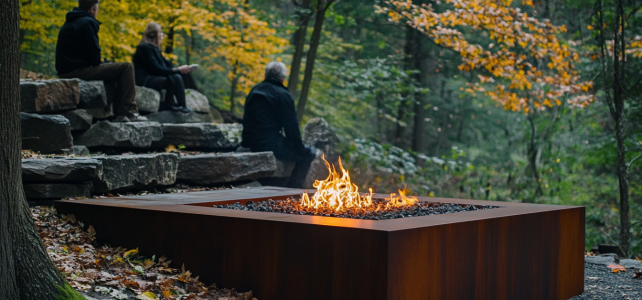
- Corten Steel: This type of steel is famous for its characteristic rusty patina that not only protects the underlying metal but also adds a unique aesthetic touch. Corten steel is ideal for modern garden designs and gives your plancha fire pit a distinctive appearance.
- Carbon Steel: Known for its strength and heat retention capabilities, carbon steel is often chosen for cooking plates. Although it requires regular maintenance to prevent rust, it is generally more affordable and offers excellent thermal performance.
Factors to Consider When Choosing the Right Steel
Several factors must be taken into account when selecting steel for your fire pit plate. Here are the main elements to evaluate.
Heat Resistance: Fire pit plates are continuously exposed to high temperatures. Steel that can maintain its mechanical properties even under intense heat is essential. Carbon steel, for example, is often favored for its ability to retain and distribute heat well.
Maintenance and Durability: Ease of maintenance is another important criterion. Stainless steel requires little maintenance and retains its new appearance for a long time. In contrast, carbon steel requires regular cleaning and oiling to prevent rust, although it is more affordable initially.
Aesthetic Impact and Design
The choice of steel is not limited to technical considerations. Aesthetic appearance plays an equally important role in selecting a fire pit plate, as it can become a focal point of your outdoor space.
The aesthetic of corten steel is particularly sought after for its unique rust effect, which evolves over time and harmonizes well with gardens in a natural or industrial style. If contemporary appearance and minimalism captivate you, stainless steel with its shiny finish may be the ideal choice. For those who prefer a more traditional style, carbon steel offers rustic charm, especially as it develops a slight patina over time.
Cost and Budget
Of course, cost is a determining factor in choosing the material for your fire pit plate. Each type of steel has a price that can vary depending on quality and finishes offered.
- Stainless Steel: Often more expensive at the initial purchase due to its corrosion resistance and durability.
- Corten Steel: Its cost can fluctuate based on availability and demand, but it remains a mid-range option.
- Carbon Steel: Generally the most affordable, making it accessible for budget-limited projects, despite additional maintenance costs in the long term.
Choosing the right steel for your fire pit plate is a decision that must consider many factors, from heat resistance to aesthetics, as well as budget. Stainless steel, corten steel, and carbon steel each have unique qualities that make them suitable for different needs and preferences. Take the time to evaluate your priorities and don’t hesitate to consult experts to ensure that your choice meets your expectations, both functionally and aesthetically. A wise selection will allow you to fully enjoy your outdoor space and add real value to your garden.