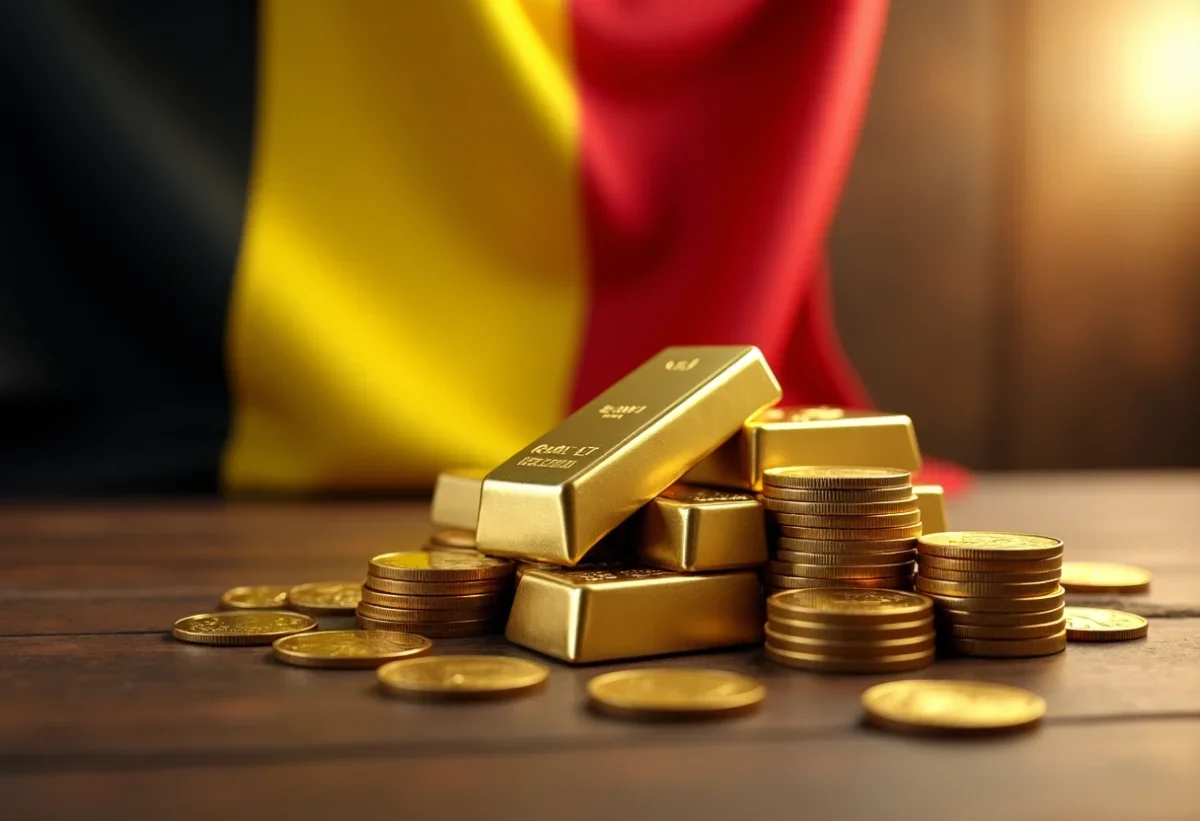
In Belgium, investment in gold is attracting increasing attention, particularly due to global economic uncertainties. Fluctuations in financial markets and the search for safe havens are encouraging many investors to diversify their portfolios with precious metals.
Before diving in, make sure to understand the specifics of the Belgian market. Local regulations, available purchasing options, and tax aspects can significantly influence the profitability of this investment. A thorough knowledge of current trends and best practices is therefore essential to avoid common pitfalls and maximize potential gains.
The legislative and tax aspects of investing in gold in Belgium
In Belgium, the legislative and tax framework governing gold investment is complex but essential for ensuring secure and transparent transactions. The Income Tax Code (CIR) plays a central role in regulating both the sale and purchase of gold. The law of February 28, 2010 sets specific rules for alternative investment funds, including investments in gold.
One of the most attractive aspects for investors is the exemption from VAT on gold transactions with a minimum content of 99.5% by weight. This exemption makes purchasing gold particularly advantageous in terms of cost. However, be sure to declare all gold transactions to the tax authorities, who closely monitor this type of investment.
- Income Tax Code (CIR): regulates the sale and purchase of gold.
- Law of February 28, 2010: governs alternative investment funds.
- VAT: no VAT on pure gold transactions at 99.5%.
- Tax authorities: mandatory declaration of gold transactions.
The gold market in Belgium is highly sought after, and opinions on selling gold in Belgium vary depending on economic outlooks and existing regulations. To navigate this landscape effectively, an understanding of current legislation is essential. Consult tax experts and investment professionals for informed advice and to avoid costly mistakes. 
Best practices for buying and selling gold in Belgium
To successfully navigate the gold market in Belgium, some proven practices facilitate transactions and ensure the security of investments. The first step is to choose between the different types of gold available: bars, gold coins, or jewelry. Bars should weigh between 1 gram and 1 kilogram and be accompanied by a certificate guaranteeing their authenticity and purity. Popular gold coins include the Canadian Maple Leaf, the Austrian Philharmonic, and the South African Krugerrand.
Key tips for buying and selling gold:
- Prefer transactions with recognized professionals, such as members of the London Bullion Market Association (LBMA).
- Always check the purity of the gold and request certificates of authenticity.
- Regularly consult gold prices on international markets such as the LBMA Gold Price or quotes from the Paris Stock Exchange.
- Avoid trading offers on gold through CFDs, which are discouraged by the FSMA.
The gold market in Belgium involves various players, from individuals to financial institutions. Central banks, companies, and individuals all invest in gold, considered a safe haven. Gold transactions, whether conducted by individuals or professionals, must be meticulously documented and declared to the Belgian tax authorities.
The global gold market, influenced by giants like India and China, remains a major indicator of trends and prices. For an informed approach, follow analyses provided by the World Gold Council, which monitors gold purchases by central banks and global trends.