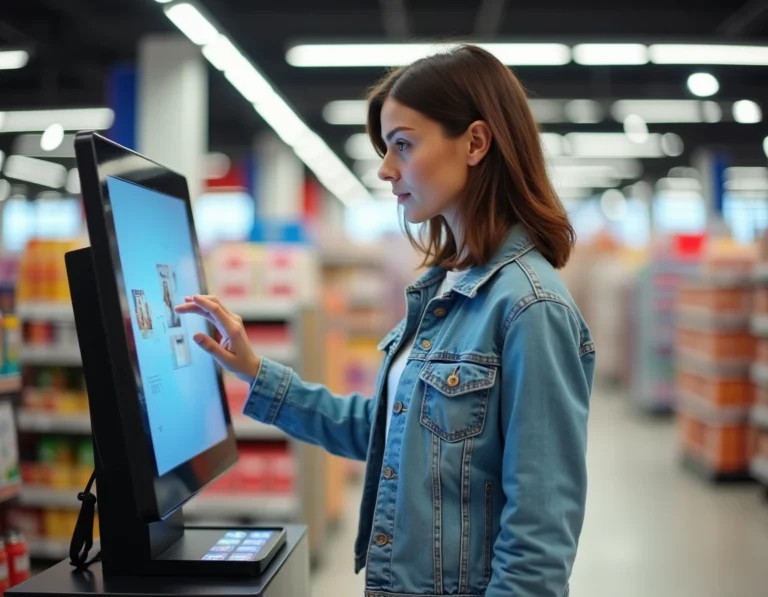
A beauty need, whether it’s a one-time service or regular support, always starts with a contact. The quality of this first exchange determines the outcome: clarity of the services offered, response time, and the match between the request and the professional’s expertise. Identifying the right communication channel and formulating the request precisely helps save time on both sides.
In-app messaging and beauty booking platforms: the fastest channel
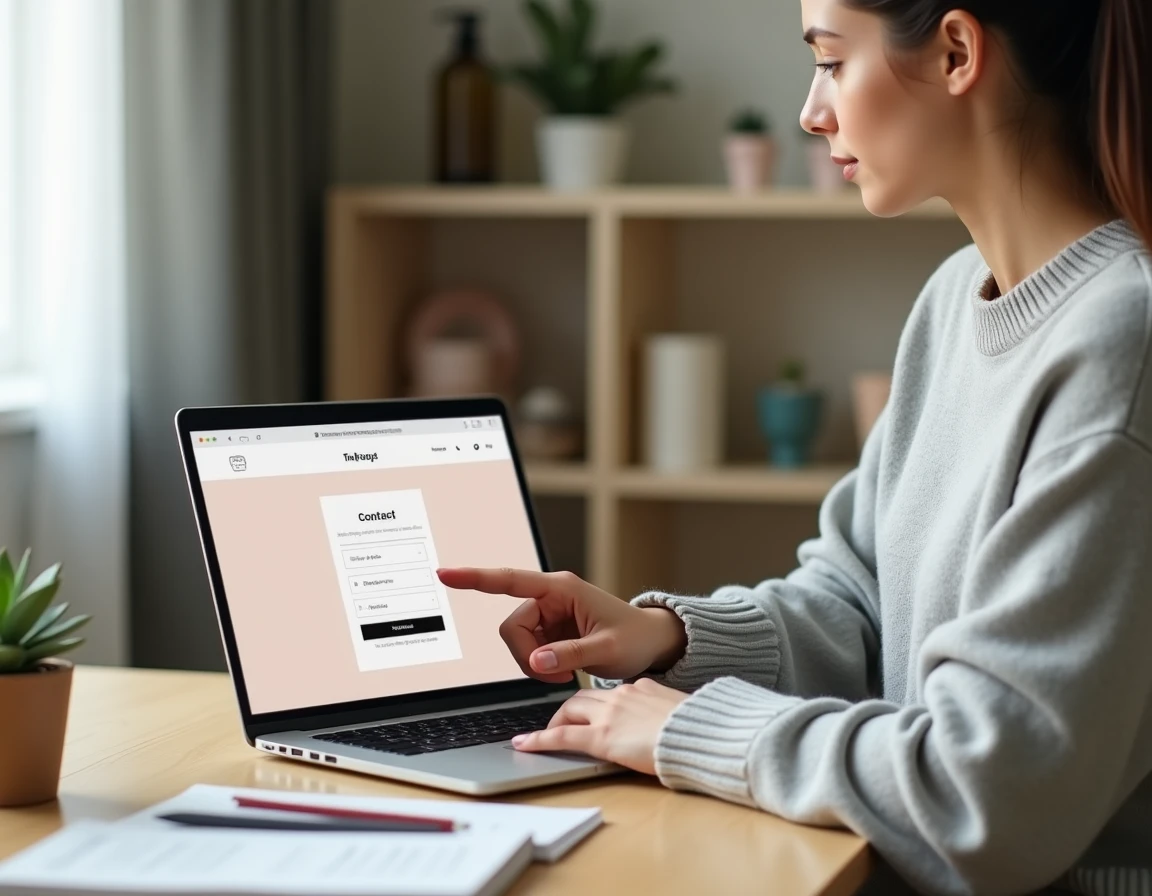
Exchanges via phone or traditional email are losing ground to specialized platforms. Since 2023, marketplaces like Wecasa, Treatwell, or Planity have integrated an in-app messaging system with automatic matching. The system filters available professionals based on location, time, and type of service requested.
This system eliminates the step where the client must manually search for a salon or freelancer, check their availability, and then send a message with no guarantee of a quick response. The platform centralizes everything: exchange, confirmation, automatic reminders.
For more specific requests (event makeup, corporate care, home service in a poorly covered area), it remains relevant to easily contact Pucker Up to exchange directly with a team that tailors its response to the context.
Automatic responses via SMS or email, offered by software like Fresha or Phorest, also allow professionals to confirm an appointment in just a few minutes, even outside of business hours. This reduced time frame decreases the risk of client abandonment.
Contact form or social media: criteria for choosing a beauty request

A form on a salon or institute’s website remains the most structured channel. The client specifies the type of treatment, the desired date, and sometimes their budget. The professional receives an immediately actionable request, without back-and-forth communication.
Social media (Instagram, Facebook, TikTok) offer “Contact” or “Book” buttons integrated into professional profiles. Since the implementation of the DMA and DSA in Europe, these messaging features have been regulated to ensure a traceable and GDPR-compliant contact: explicit consent, consultable exchange history.
When to prefer the form
- The request concerns a technical service (specific aesthetic treatment, multi-session protocol) that requires detailed written clarifications
- The client wishes to attach photos or documents (hairstyle reference, skin condition, specifications for a corporate event)
- The traceability of the exchange matters, for example, in the context of a quote for a works council or seminar
When to use social media
- The professional actively posts their work and availability in real-time (stories, recent posts)
- The request is simple: booking an appointment for a common service, question about prices
- The client wants to check the professional’s style (visible portfolio) before engaging in an exchange
In both cases, a precise message speeds up the response. Indicating from the first contact the type of service, the desired date or period, and the location minimizes at least one additional back-and-forth.
Beauty services in the workplace: structuring your request before the first exchange
Requests for beauty services for corporate events (seminars, incentives, wellness days) are increasingly structured through B2B specialized platforms. The operation differs from B2C: the volume of services, logistical constraints, and overall budget must be communicated right from the first contact.
A beauty workshop in the workplace involves aesthetic, hair, or manicure professionals who come with their equipment. The company provides a suitable space. The provider manages the scheduling of individual slots using a centralized appointment tool.
The quality of the first contact depends on the precision of the specifications provided. A vague brief generates approximate quotes and lengthy exchanges. Three elements must be included in any B2B request:
The estimated number of participants, the type of desired services (facial treatments, nail bar, makeup workshop), and the venue constraints (available space, electrical access, hours). A precise specification reduces the response time by several days compared to a vague request sent via a generic email.
Booking software and client communication: what current tools change
The management software used by salons and beauty institutes no longer limits itself to appointment booking. Planity, Fresha, or Phorest integrate automated SMS and email campaigns, appointment reminders, and follow-up messages after the service.
For the client, this means that an online reservation triggers an automatic communication chain: immediate confirmation, reminder the day before, satisfaction message after the service. This automated communication journey reduces missed appointments and facilitates recontact for a future service.
For the professional, these tools allow for client segmentation. A regular client receives offers tailored to their treatment history. A new client receives a welcome message with practical information about the salon. Communication becomes targeted without additional manual effort.
The choice of contact channel thus depends as much on the type of request as on the professional’s tools. A salon equipped with online booking software offers a smoother contact experience than an exchange via email or phone. Checking if the professional offers online booking before contacting them through another means remains the most effective reflex for obtaining a quick response.