
A molecule that makes no waves in humans can trigger an unpredictable storm in dogs. In veterinary medicine, protocols are clear: each treatment must be tailored for the species concerned, and forcing medications from the family pharmacy opens the door to accidents.
Cases of poisoning arise regularly, a direct consequence of the reckless use of inappropriate treatments. Veterinarians hammer home the same message: each animal has its own reactions, and self-medication in animals is not trivial.
Why giving Spasfon to your dog is not without risk
In a panic, the idea of administering a human medication to one’s dog resurfaces for many owners. However, Spasfon, known for its antispasmodic effects in humans, was not designed for the canine body. Dogs do not assimilate molecules like we do: their liver, their kidneys, all their internal machinery, function differently. This explains why a harmless dose for an adult can put a dog in a risky situation.
The question “ is Spasfon dangerous for a dog ?” reveals a blur around the actual needs of the animal. Veterinarians report adverse effects: digestive disorders, unusual fatigue, allergic reactions, or even heart problems. No dosage is validated for dogs, and no serious study exists to guarantee the safety of Spasfon for this species. Caution is therefore advised, as uncertainty prevails.
Here are some concrete points to remember about the dangers associated with the use of Spasfon in dogs:
- Unpredictable side effects: vomiting, diarrhea, lethargy can occur without warning.
- Absence of dosage guidelines: the reaction to the molecule varies from dog to dog.
- Increased vulnerability for older, fragile, or small-sized animals.
In this context, consulting a veterinarian is not a formality but a necessity. Only they can assess the relevance of a treatment and propose an appropriate solution without exposing the animal to unnecessary risks. Taking a dog’s health lightly is to play a risky game with its life.
What signs should alert you after ingestion of a human medication?
After contact with a medication intended for humans, some dogs change completely. Blank stare, sudden agitation, or conversely, abrupt prostration: these are signals not to be ignored. Digestive troubles can quickly arise, with episodes of vomiting, diarrhea, unusual salivation, or loss of appetite. The body naturally tries to defend itself against what it identifies as a chemical aggression.
Several symptoms should put you on alert:
- Occurrence of convulsions or tremors, a sign that the nervous system is in distress.
- Signs of cardiac distress: irregular heartbeats, difficulty breathing, pale or even bluish gums.
- Changes in urine output: very dark urine or total absence of urine, an alarming signal for the kidneys.
The severity of symptoms depends on many factors: species, breed, age, overall health. Dogs and cats do not have the same means as humans to eliminate foreign substances. What is trivial for an adult can become dangerous for a pet. A wrong dosage, an unexpected reaction, and poisoning can occur.
At the slightest alert, do not waste time: call a veterinarian, without attempting to intervene yourself. Trying to make the animal vomit without professional advice can worsen the situation. Every minute can count in such circumstances, and approximation has no place when the health of the animal is at stake.
Safe veterinary solutions to relieve your companion
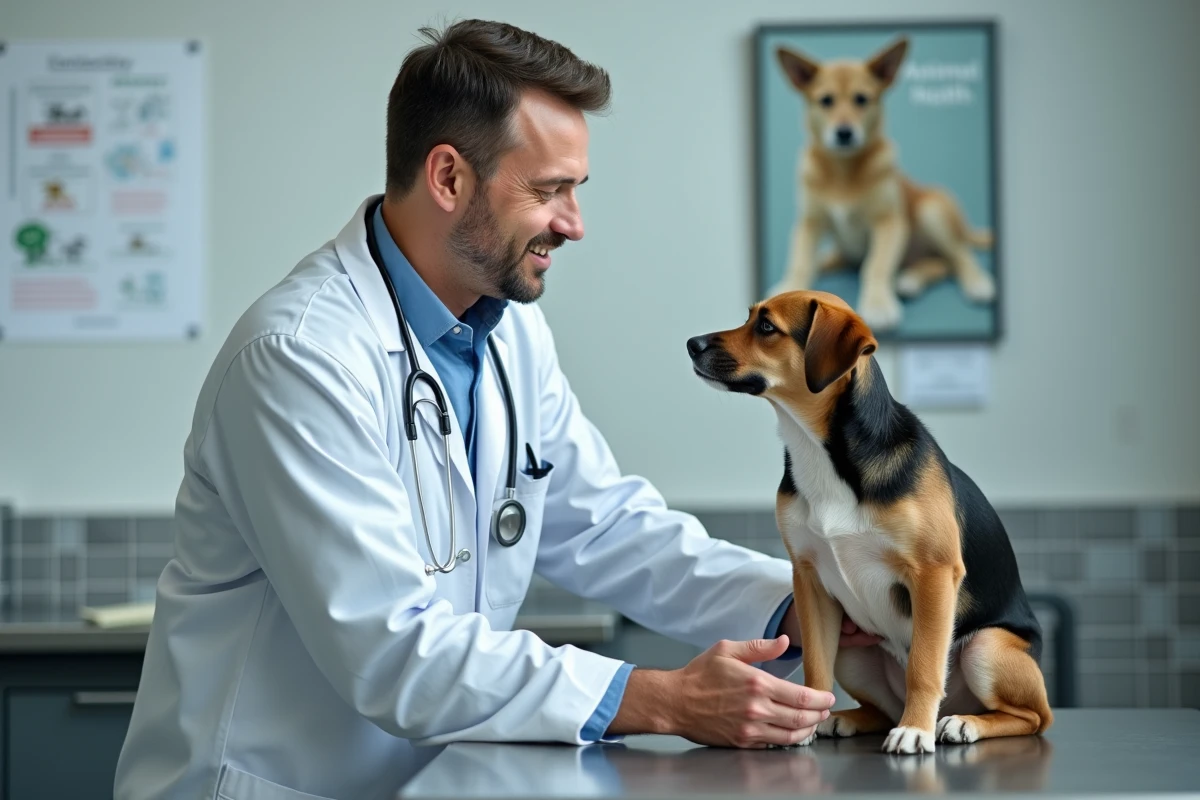
In the face of the temptation to use a human medication to relieve a dog, it is better to remember that each species has its own needs. Veterinarians have treatments designed and tested for pets. Only a professional can assess the situation, make an accurate diagnosis, and prescribe the appropriate medication, at the right dosage, to limit risks.
Veterinary pharmacovigilance, orchestrated by ANSES, monitors the side effects or adverse reactions of veterinary medications. Thanks to this network, practitioners adjust their prescriptions and act quickly in case of problems. This monitoring protects our companions from the dangers of self-medication and ensures appropriate follow-up.
To avoid unpleasant surprises, here are the good reflexes to adopt:
- In case of doubt, contact your veterinarian or the veterinary poison control center for immediate advice.
- Never give human medication without a veterinary prescription, even at low doses.
- Store all medications safely out of reach of your animals.
Veterinary treatments to relieve pain or digestive disorders exist, designed for the physiology of dogs. Their effectiveness and safety are verified, and their use is regulated. Providing your dog with appropriate care ensures a more peaceful life, away from avoidable dangers. In animal medicine, caution is not an option; it is a lifesaving reflex.